
The “Invisible Trust” Strategy Smart Brands Are Using in 2026
In 2026, consumers are more skeptical than ever. People are constantly exposed to ads, influencer promotions, sponsored content, and AI-generated marketing. As a result, traditional trust-building tactics are becoming less effective. Instead of relying on loud branding or flashy campaigns, many successful companies are adopting something quieter and far more effective: invisible trust. Invisible trust is the idea that customers feel confident in a brand without being aggressively persuaded. It’s built through subtle experiences, consistency, transparency, and thoughtful design rather than direct marketing promises. The smartest brands today understand that trust is no longer earned through slogans alone. It’s earned through every small interaction customers have with a company. This shift is quietly changing the way businesses approach branding, customer service, and digital experiences.
Seamless Experiences Matter More Than Big Promises
One of the biggest elements of invisible trust is simplicity. Consumers now expect websites, apps, and customer experiences to work smoothly without frustration. Brands that create effortless experiences naturally build user confidence. When checkout processes are fast, customer support is responsive, and information is easy to find, customers feel comfortable returning. Interestingly, many companies no longer need to constantly remind people they are “trusted” or “premium.” The experience itself communicates reliability. In many ways, convenience has become a modern form of trust. If a brand consistently saves customers time and reduces stress, loyalty tends to follow naturally.
Transparency Is Becoming a Competitive Advantage

Today’s consumers want honesty more than polished perfection. Brands that openly discuss pricing, sourcing, sustainability, or even mistakes often gain stronger customer loyalty than companies that try to appear flawless. Invisible trust grows when businesses provide useful information without sounding overly promotional. For example, many brands now explain how products are made, where materials come from, and how customer data is protected in simple, accessible ways. This transparency creates a sense of authenticity. Customers feel they are being treated like informed adults rather than targets for advertising. In an era of misinformation and digital skepticism, that feeling matters a lot.
Quiet Branding Is Replacing Flashy Marketing
Another major shift in 2026 is the rise of quieter branding strategies. Luxury brands, tech companies, and even startups are moving away from aggressive self-promotion and leaning into subtle confidence. Instead of constantly chasing viral attention, many businesses are focusing on consistency, design quality, and customer experience. Minimalist branding, clean interfaces, and calm messaging are becoming increasingly popular because they signal professionalism and stability. Consumers are starting to associate excessive hype with risk or inauthenticity. Brands that appear calm, focused, and reliable often stand out more in crowded markets.
Customer Reviews Carry More Weight Than Advertising
People trust other people more than they trust ads. That’s why invisible trust heavily relies on customer experiences and organic feedback rather than traditional marketing campaigns. Online reviews, testimonials, and word-of-mouth recommendations continue to shape buying decisions in nearly every industry. Smart brands understand this and focus heavily on creating positive customer interactions instead of just increasing ad spending. Many companies are also becoming more selective about influencer partnerships. Audiences can quickly detect forced promotions, so brands now prefer long-term collaborations with creators who genuinely use and understand their products. Authenticity is becoming far more valuable than reach alone.
Ethical Practices Are Influencing Buying Decisions

In 2026, consumers are paying closer attention to how companies operate behind the scenes. Ethical business practices, employee treatment, sustainability, and data privacy all contribute to building trust. Interestingly, brands don’t always need to advertise these efforts loudly. Often, simply maintaining consistent ethical standards and communicating clearly when necessary is enough to strengthen customer confidence. Businesses that quietly prioritize responsible practices tend to build stronger long-term reputations. Customers increasingly reward brands that align with their personal values, even if those efforts aren’t aggressively marketed.
AI Is Making Human-Centered Brands More Valuable
As artificial intelligence becomes more integrated into marketing and customer service, human connection is becoming even more important. Consumers appreciate automation when it improves convenience, but they still want brands to feel human and emotionally aware. Smart companies are using AI carefully to support customer experiences without making interactions feel robotic. Personalized recommendations, efficient support systems, and predictive tools can improve convenience while still maintaining authenticity. The brands succeeding with invisible trust are those that balance technology with empathy. They understand that efficiency alone does not create loyalty — emotional comfort matters too.
The invisible trust strategy is quietly becoming one of the most powerful branding approaches of 2026. Instead of relying on loud advertising or exaggerated promises, smart companies are building loyalty through seamless experiences, transparency, ethical practices, and thoughtful design.…
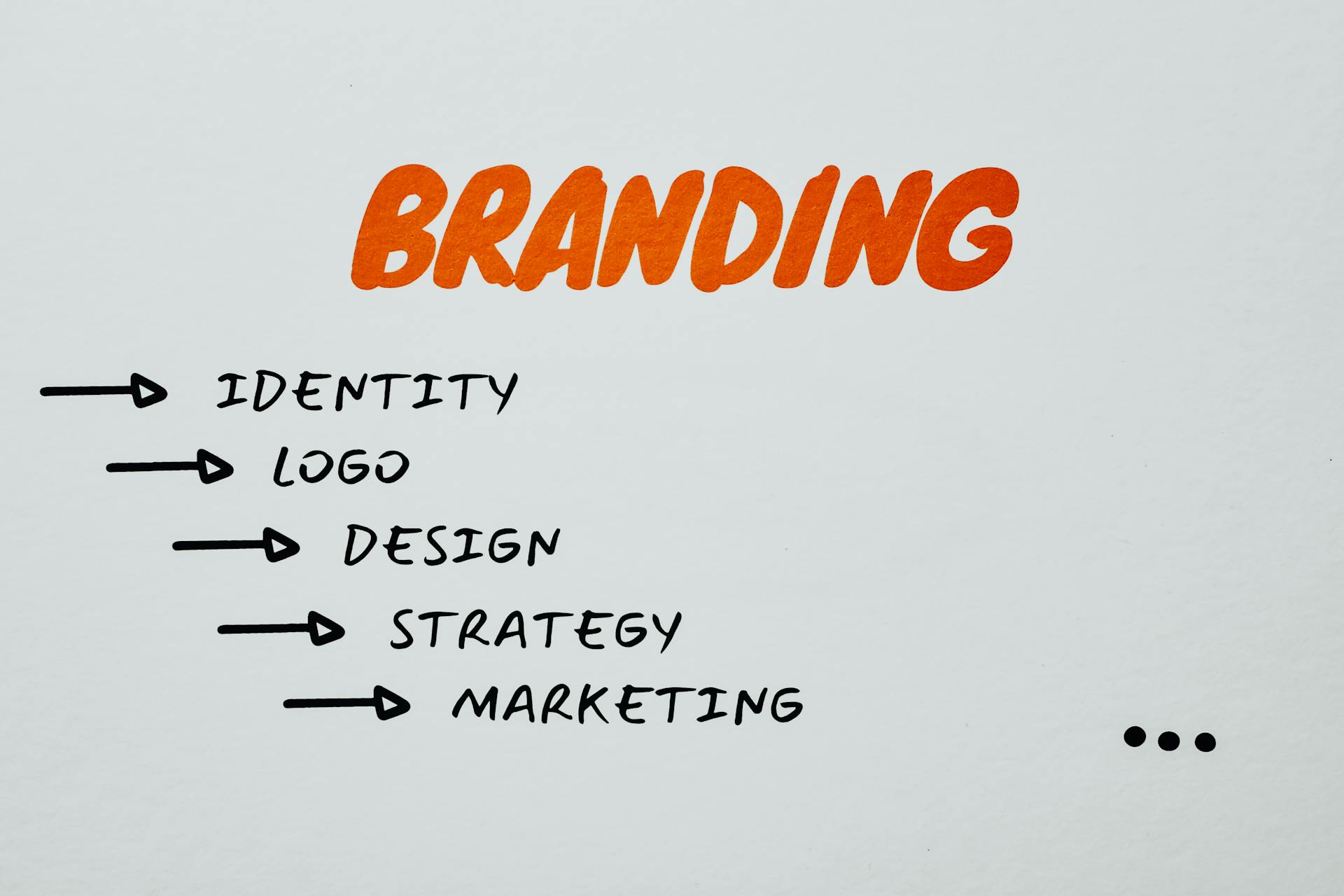
 Humans are emotional creatures, and the decisions we make—especially purchasing decisions—are often influenced by how we feel. Emotional branding leverages this fact by building connections that go beyond the transaction. It’s about making your brand feel like something that resonates with your audience’s values, desires, and identity.